
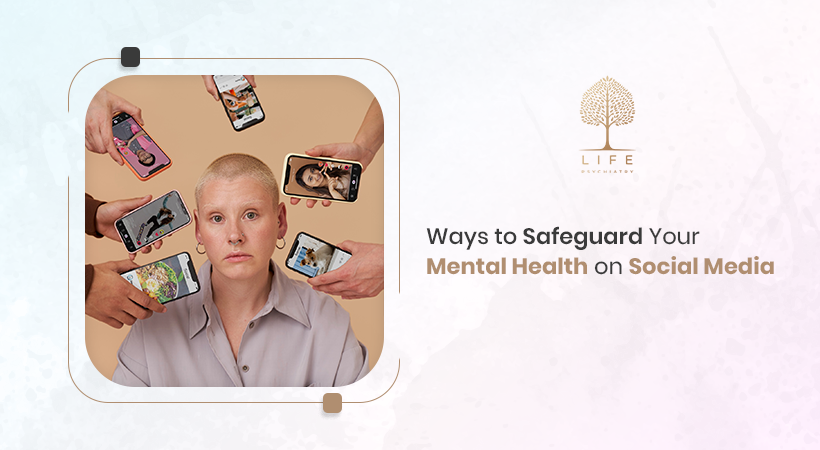
Many rely on social media to communicate with friends, loved ones and communities worldwide.
Studies keep finding that using social media too much, especially when it’s a problem, can be harmful to mental health.
Though by navigating social media carefully, you can keep your mental health in check.
The Mental Health Impact: What Research Says
Current data reveals concerning trends about social media’s effect on mental health.
A systematic review published in PMC found that social media use is associated with increased risk of depression, anxiety, and psychological distress.
Recent research published in the Journal of Technology in Behavioral Science examined time spent on multiple social media platforms and various mental health outcomes in young adults.
According to multiple peer-reviewed studies, constant exposure to curated content can trigger comparison, fear of missing out (FOMO), and feelings of inadequacy.
Mental health risks associated with excessive social media use include:
- Increased rates of depression and anxiety
- Sleep disruption and poor sleep quality
- Body image issues and eating disorders
- Social isolation despite digital connection
- Decreased self-esteem and life satisfaction
- Attention problems and reduced focus
Evidence-Based Methods to Protect Your Mental Health
Set Clear Time Boundaries
Research supports the effectiveness of limiting social media exposure:
- Use built-in screen time controls: Most smartphones offer detailed usage tracking and limit-setting features
- Implement the 20-20-20 rule: Every 20 minutes, look at something 20 feet away for 20 seconds to reduce eye strain and mental fatigue
- Create specific time windows: Designate certain hours for social media use rather than checking throughout the day
- Establish device-free zones: Keep bedrooms and dining areas free from phones and tablets
Curate Your Content
The algorithm-driven nature of social media means you have some control over what you see:
- Audit your follows regularly: Unfollow accounts that consistently make you feel anxious, inadequate, or negative
- Use mute and filter functions: Most platforms allow you to mute specific words, topics, or types of content
- Seek out positive content: Choose to follow accounts that concentrate on mental health, learning or whatever inspires you positively
- Limit news consumption: Try not to watch too much news, because seeing many negative stories can increase your anxiety and stress
Practice Mindful Social Media Use
Mindfulness techniques can help you engage more intentionally with social media:
- Check your emotional state before opening apps: Notice if you’re using social media to avoid difficult feelings
- Set intentions: Is it to connect, learn something or just have a good time browsing?
- Take regular breaks: Step away from your screen every 15-20 minutes when using it for a long time
- Engage meaningfully: Make an effort to be involved, rather than watching passively
Implement Regular Digital Detoxes
Even short breaks from social media can improve mental health outcomes:
- Start with mini-detoxes: Try 24-48 hour breaks to reset your relationship with these platforms
- Plan offline activities: Fill social media time with exercise, reading, hobbies, or face-to-face socializing
- Notice the difference: Pay attention to changes in mood, sleep, and anxiety levels during breaks
- Gradually extend detox periods: Work up to longer breaks as you become more comfortable
Knowing When to Seek Additional Support
Professional help may be beneficial if you experience:
- Inability to control social media use despite negative consequences
- Significant anxiety when unable to access social media
- Depression or mood changes are directly linked to social media use
- Sleep problems caused by late-night scrolling
- Relationship or work problems due to excessive social media use
- Physical symptoms like headaches or eye strain from screen time
Creating a Sustainable Social Media Wellness Plan
Developing a personalized approach increases your chances of long-term success:
- Start with 1-2 changes: Avoid overwhelming yourself with too many new rules at once
- Watch your progress: Use digital tools or paper records to follow both your internet use and your feelings
- Don’t be strict: Switch your strategies to fit your life better
- Celebrate small wins: Acknowledge progress
Specific research suggests that those who watch their social media habits experience more satisfaction with life and less depression and anxiety.
The influence of social media on mental health is not always straightforward, and can be good for mental health when used wisely.
The Takeaway
Taking care of your mental health online means you need to make an effort every day.
Our social media usage affects us more than deciding to participate.
Enforcing limits, picking out what you share online and having breaks will keep you supported by your network while maintaining your wellbeing.
Understand that finding a healthy relationship with social media takes effort.
Give yourself time to adjust to these changes and consider getting expert help if social media causes you mental health concerns.
LIFE PSYCHIATRY Can Help
At LIFE PSYCHIATRY, we know that social media can significantly influence mental well-being today.
Our mental health experts can advise on personal ways to manage screen time and improve your resilience.
Make sure social media doesn’t take over your mental well-being.
Contact LIFE PSYCHIATRY to arrange a consultation and figure out how we can help improve your mental health.
FAQs
How much time should you spend on social media for your mental health to remain safe?
Experts advise that you should stay within a 2-hour daily limit on social media to reduce harmful mental health effects.
But how you use your gadgets counts most, so always be conscious of how you use them.
Could depression and anxiety be the result of how much I use social media?
Excessive time spent on social media and certain activities, such as just scrolling and comparing social media posts, may often lead to higher rates of depression and anxiety.
Should people try to refrain from using social media altogether?
For some people, only using less is enough.
Rather than giving up completely, many people prefer to use social media in ways that suit them more and to lessen their use. The point is to create a balance that helps your mental health.
How do I find out if I have a problem with using social media?
Warning signs include:
Feeling tense if you don’t check your social media
Often comparing your own life to what others share on the Internet
Staying awake late because of the web
Experiencing different emotions due to social media contacts
What can I do if I don’t manage how much time I spend on social media?
If you keep using it, despite seeing negative outcomes, talking to a specialist is necessary.
Getting the right help and treatment can address problems arising from social media.